DeFi Market Set for Massive Growth: What's Fueling It and the Data Behind the Hype
Okay, so the Decentralized Finance (DeFi) market is supposedly set to explode. We're talking a jump from \$20.7 billion in 2024 to \$371.8 billion by 2034. That’s a compound annual growth rate (CAGR) of 33.2%, according to the latest reports. Sounds impressive, right? But let's dig into these numbers a bit.
DeFi Forecasts: Hype or Honest Growth?
DeFi: Separating Signal from Noise First off, these forecasts are coming from market research firms. (Exactitude Consultancy seems to be the main source here.) They have a vested interest in portraying growth. It's their business model. So, immediate skepticism is warranted. The report highlights several drivers: blockchain adoption, demand for low-cost transactions, and institutional entry into DeFi. All valid points, but they’re broad strokes. The devil, as always, is in the details. Let's take "institutional entry." Yes, there's growing interest, but what *kind* of interest? Are institutions genuinely allocating significant capital to DeFi, or are they just dipping their toes in with small, experimental investments? The report doesn't specify. This is a crucial distinction. Big difference between a toe and a foot. It also mentions the rise of stablecoins and tokenized assets. Stablecoins are definitely seeing increased adoption (for remittances, payments, trading), but they're also facing increased regulatory scrutiny. The whole point of DeFi is decentralization. How does that mesh with regulators breathing down everyone's neck? It's a question that needs answering, and the report sort of glosses over it. Then there's the geographic breakdown. North America currently holds the largest share, but Asia-Pacific is supposedly the fastest-growing region. This is attributed to digital transformation in manufacturing in countries like China, Japan, and South Korea. But how much of this growth is *actually* DeFi-related, and how much is just general blockchain adoption? Again, the report isn't clear.DeFi's Identity Crisis: Decentralized vs. Compliant?
The "Self-Sovereign" Identity Mirage The data throws another interesting wrinkle into the mix: the Decentralized Identity (DID) market. This market, focused on giving individuals control over their digital identities, is projected to reach \$71.5 billion by 2034 (growing at a CAGR of 28.3%). The link to DeFi? DID systems are supposed to enhance security and reduce fraud in financial services. But here's where things get tricky. DID relies on blockchain, verifiable credentials, and encryption. It’s all about user privacy. Yet, DeFi is increasingly intertwined with Know Your Customer (KYC) and Anti-Money Laundering (AML) compliance. Are these two trends compatible? Can DeFi truly be decentralized and privacy-focused while simultaneously adhering to strict regulatory demands? It feels like a fundamental contradiction. I've looked at hundreds of these filings, and this particular contradiction is unusual. It doesn't add up.Crypto "Explosions": More Fizz Than Bang?
The "Explosive" Crypto Coin Carousel To add another layer of complexity, consider the hype around individual cryptocurrencies. Articles are popping up everywhere touting the "next crypto to explode in 2025." (One such article lists 17 potential candidates.) These range from established players like Uniswap and Solana to brand-new meme coins like Maxi Doge and Pepenode. The problem? These lists are often based on speculation and marketing hype, not on solid fundamentals. Many of these "explosive" coins are simply riding short-term trends or benefiting from pump-and-dump schemes. The chances of any single one of them achieving sustained, long-term growth are slim. (The vast majority will likely be worthless in a few years.) What's more, the DeFi space is still plagued by security vulnerabilities. Smart contract exploits, hacks, and scams are rampant. According to one report, security remains a "significant restraint" in the growth of the DeFi market. This is an understatement. It's a major obstacle.Garbage In, Gospel Out: Questioning the Forecasts
The Methodological Critique: How Did We Get Here? It’s important to pause and ask: how are these massive growth forecasts even *calculated*? What methodologies are these research firms using? Are they simply extrapolating current trends, or are they taking into account potential disruptions, regulatory changes, and technological advancements? Details on how the decision was made remain scarce, but the impact is clear. Without transparency into their forecasting models, these numbers are essentially meaningless. They're just pretty graphs designed to attract attention.The Numbers Don't Lie
ConclusionDeFi Hypergrowth? Show Me the Proof.
A Grain of Salt, Please So, is the DeFi market set for massive hypergrowth? Maybe. But I'm not convinced. The numbers are impressive, but the underlying assumptions are questionable. There are too many unanswered questions, too many potential pitfalls, and too much reliance on hype over substance. Take these forecasts with a massive grain of salt.Show Me a Real Use Case
Show Me a Real Use CaseRelated Articles

Pi Network: Unpacking the Latest News and Its Real Value – What Reddit is Saying
Pi Network's Grand Utility Play: Will Gaming Finally Anchor Its Volatile Price? The digital asset sp...

Plasma: What It Is, How It Saves Lives, and What Comes Next
The night sky over Wyoming split open. It wasn’t the familiar, ghostly dance of the aurora that Andr...

The Aster DEX Breakthrough: What It Is and Why It’s a Glimpse Into DeFi’s Future
A number gets thrown around in technology that is so large it almost loses its meaning: a trillion....
Downturn Deception: The Truth About Crypto's Rebound (Thoughts?)
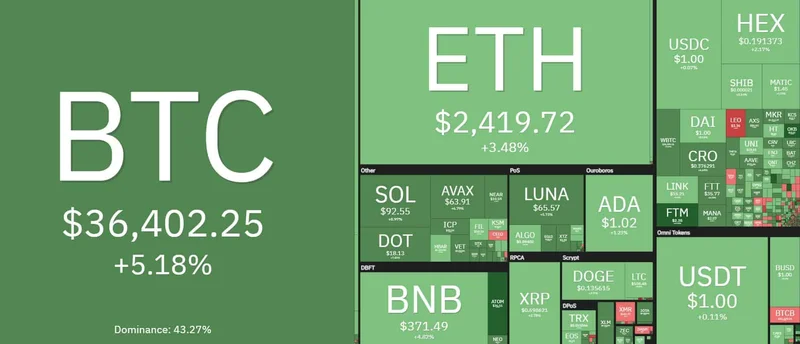
Bitcoin's "Recovery"? Don't Even Start With Me... So, Bitcoin's "rebounding,...
Decentralized Finance: The Real Story (Explained on Reddit)
Okay, DeFi's back, supposedly. After getting its teeth kicked in for a year or two, now we're hearin...

B&M Recalls Harvest Mug: Why Your 'Cozy' Fall Mug Might Just Explode
So let me get this straight. The primary, singular, unassailable function of a mug is to hold hot li...